

Nature is alive with a special type of pattern called fractals. From the smallest ice crystal to the vastness of the galaxy, fractals are the building blocks of the natural world. The High Desert Museum explores this fun and funky side of nature in its original interactive exhibition Patterns at Play: Fractals in Nature, opening February 22.
Patterns at Play (highdesertmuseum.org/fractals) is an immersive, family-friendly experience allowing visitors to build their own patterns while an animation creates new fractals right before their eyes. Visitors should expect to play, touch, listen and watch in this whimsical exploration of nature.
“Nature is always surprising us and teaching us,” said Executive Director Dana Whitelaw, Ph.D. “The fractals exhibition is truly about exploration, excitement and engagement, from the smallest hands interacting with shapes to a grandparent studying how math and nature intertwine. We look forward to sharing nature’s patterns with the community.”
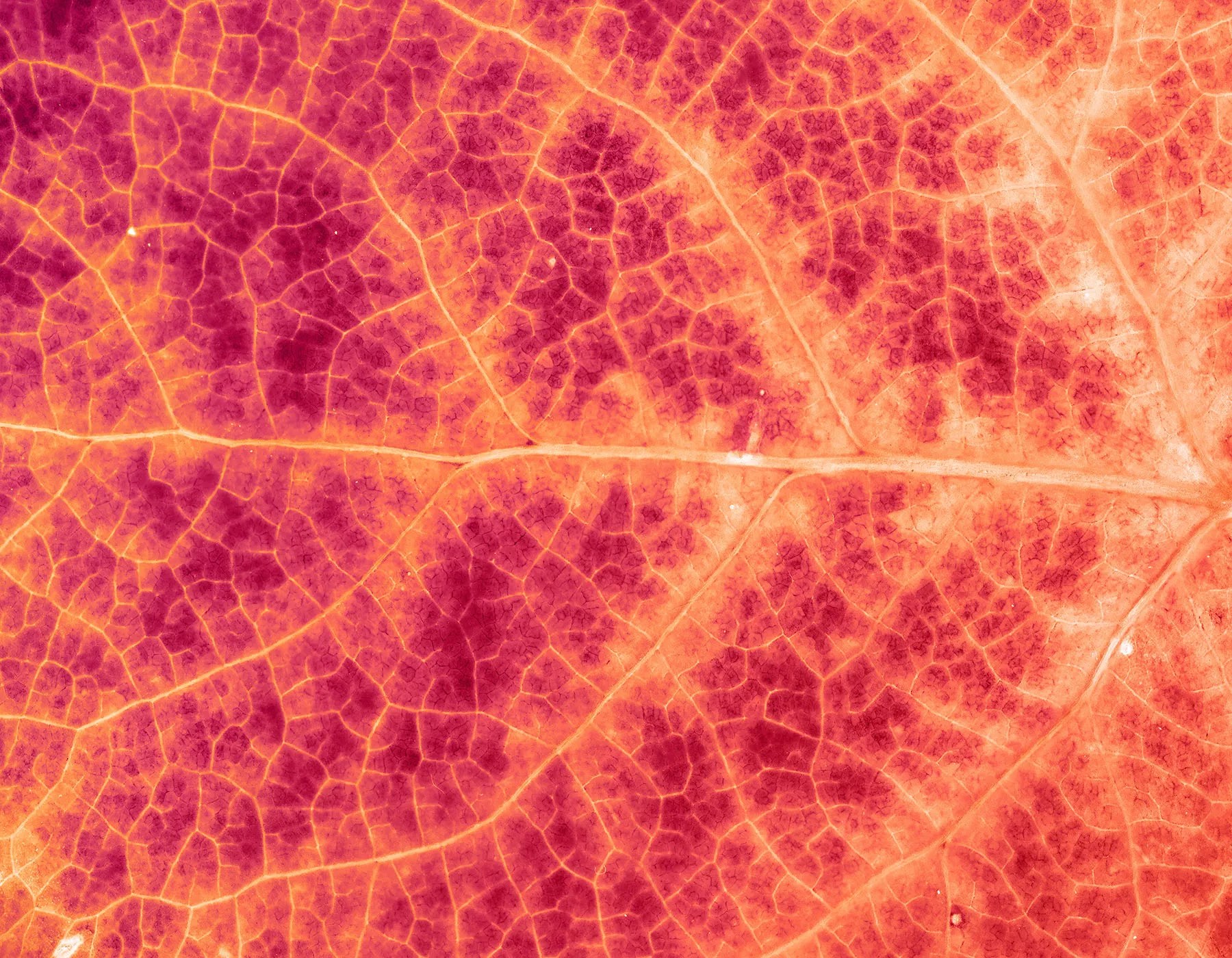
Fractals are never-ending patterns that repeat the same shape at bigger and smaller scales. Fractals in nature appear to humans as messy, even chaotic. Trees grow by branching in every direction; seashells swirl around and around. Mathematicians, artists and naturalists have noticed these patterns for centuries.
“Fractals are everywhere in nature,” said Museum Donald M. Kerr Curator of Natural History Hayley Brazier, Ph.D., “from the tiniest, tiniest neuron in the brain to the organization of stars and planets in the galaxy. We want visitors to experience firsthand how those patterns build the natural world around us.”
However, it was not until 1982 that mathematician Benoît Mandelbrot published The Fractal Geometry of Nature. Using computers, Mandelbrot matched the precision of math equations with the chaos of nature. Today, experts in the fields of biology, geometry, astronomy and computer graphics are using fractals to explore the secrets of the universe.
Fractals start with one simple shape, such as a triangle. When the same triangle is repeated over and over, either small or large, the result is a more complicated pattern that can scale. Some fractals are symmetrical and precise; others can be beautifully chaotic.
From the moment visitors enter the Brooks Gallery at the Museum, they will be absorbed in nature’s never-ending patterns. Central to the Patterns at Play exhibition is the back wall, which features a large projector showcasing fractals that dance across the screen. Six macro images of nature, including snow crystals, a galaxy and brain neurons, grace the side walls in a floor-to-ceiling collage. The vibrant colors immerse visitors in nature’s whimsical and enigmatic patterns. Bean-bag chairs and soft music encourage guests to sit, relax and be mesmerized by the magic of nature.
“Humans have evolved alongside nature’s fractals,” said Brazier. “Seeing fractals, building fractals and even listening to sonic fractals is soothing for our brains and reduces stress.”
Meanwhile, two fractal puzzle tables – fractivity tables – give adults and children a chance to complete a puzzle and directly engage in the creation of fractals. The fractals are projected on the wall nearby. Those who aren’t playing with the puzzles can watch as patterns are born right before their eyes. Zoom in or zoom out, and a fractal’s shape stays the same.
Patterns at Play: Fractals in Nature will be on view through October 5. The exhibition is made possible by the James F. and Marion L. Miller Foundation.
This story is based on submitted information and has not been verified by our news team.
This article appears in The Source Weekly February 20, 2025.
MAKE LOCAL JOURNALISM HAPPEN


