


Deschutes County is considering more regulations on short term rentals in the unincorporated County. The process would allow the County to better enforce and monitor short term rentals outside of the Urban Growth Boundary. While the program would be aimed at increasing safety of STRs and decreasing risks, County staff believe this program could cause a strain on departments.
County staff first brought the proposal to the Deschutes County Board of Commissioners on Jan. 10, who instructed them to continue exploring the possibility of a short-term rental program. Since then, staff members have spoken with other representatives of other Oregon counties that have implemented the programs for guidance on how the programs are operated, how they are funded and what is and isn’t working.
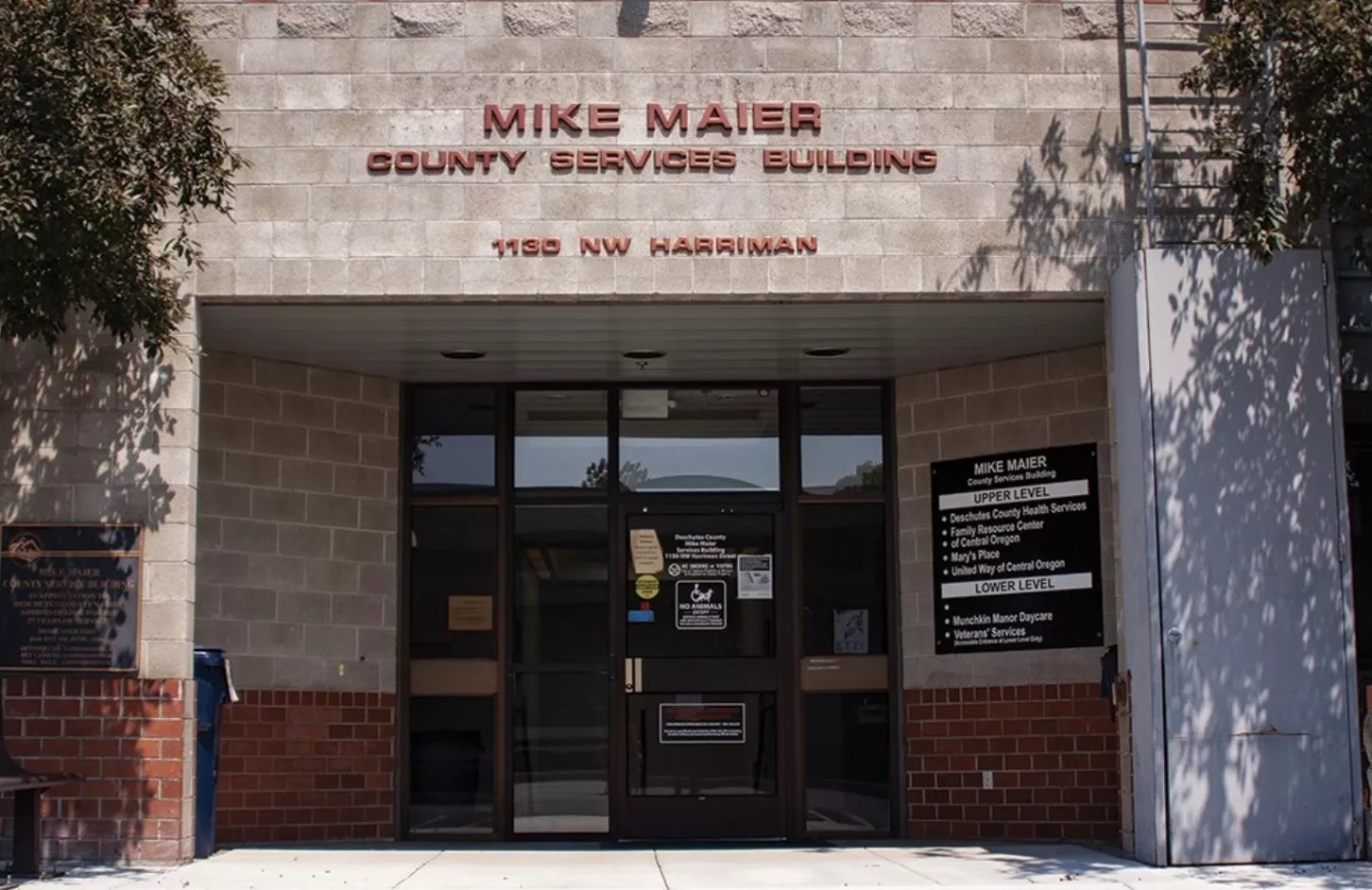
In the current short-term rental system, the County collects transient room taxes, 8% of the total gross rent, on short-term rentals once a property is registered and approved.
The staff then issues a certificate of authority, allowing the owner to collect the transient room taxes for one year and pay the taxes to Deschutes County. However, the certificate of authority does not serve as an approval certifying that the dwelling is lawfully established and can be used as a short-term rental, according to a County memo.
Enforcement, according to staff, is the biggest issue with the current system. As of right now, if a property has a code violation, there is no formal County code provision or legal authority allowing the county to prohibit or require the discontinuation of using the dwelling as a short-term rental.
If County staff determine that a short-term rental has a code violation or a complaint, they notify the property owner that the County cannot issue a certificate of authority. Operating a short-term rental without registration could subject the owner of the property to penalties.
Implementing a business license program, thus far the top recommendation, would give the County better regulatory oversight and increase the safety and welfare for visitors and surrounding properties, according to the memo.
The business license program would have a more in-depth verification process for property owners, requiring the verification of items such as Fire Life Safety standards, an established maximum occupancy, fire pit/ring restrictions and the verification of compliance with zoning standards, among others.
The business license program might also cover the process of canceling a short-term rental license, enforcement procedures and how compliance should be overseen.
According to the memo, the startup cost of implementing this program is estimated to range from $500,000 to $1 million. One reason for high cost, and apprehension from staff member, was the issue of enforcement – who would enforce these regulations and how.
Peter Gutowsky, the Community Development Department program director, brought up concerns regarding enforcement, funding and workload at a Feb. 21 Board of Commissioners meeting. According to Gutowsky, there are resource limitations. He doesn’t think the County has enough staff, or that County staff has enough time for new regulations.
Code enforcement and complaints would likely fall under CDD’s jurisdiction, which Gutowsky said would create significant demands and extra work. “We don’t have the ability to take on these responsibilities without further resources,” said Gutowsky.
Commissioner Phil Chang believes it’s a funding issue.
“Code enforcement has massive backlogs and is under capacity, and that is, in part, because of the current funding structure of CDD, which is very problematic,” said Chang at the meeting.
While this proposed program would give the County more oversight and allow for more safety, regulation and enforcement, the extra work required from these new program recommendations could cause extra responsibilities. Given the implications, Commissioners decided to revisit the matter at a future meeting.
This article appears in Source Weekly February 22, 2024.
MAKE LOCAL JOURNALISM HAPPEN


I am not sure why they need to create a short term rental program as when you STR in the County and in the city for that matter, it is reported to both entities by Airbnb and VRBO and they are directly paying the county and city the taxes. This would be a huge cost to taxpayers to implement a program that doesn’t need implementing. And it would waste the money the county is already receiving in transient room taxes because they would need to create oversight which takes a lot of overhead for enforcement that truly doesn’t need enforcing. If someone has a bad neighbor because of Airbnb or VRBO guests, then perhaps it should be a case by case basis of evolvement so a whole expensive program isn’t implemented and placed on all the tax payers. Also, as we see with the city, every time they pass a code i.e. parking codes, camping codes , they don’t have the manpower to enforce them. This is why it looks like another Hunnel Road starting in the NW Discovery West section of town. And those vans, RV’s and cars are waiting for Phil’s Trail to open so they can go and destroy the forest there where the US Forest Service won’t enforce the rules either as they claim they don’t have the manpower. Before you implement a program or pass codes you need to think about all the consequences and costs the county will incur.