The first thing to know about Diversability: Its name is the word the nonprofit would prefer people use when referring to those with varying disabilities. “Disability” refers to something someone cannot do, while “diversability” indicates that someone’s abilities are, instead, diverse.
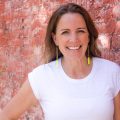
The founding of Diversability, Inc was a labor of love. Founder Amanda Hamer started the nonprofit after her oldest daughter was born with Down Syndrome. Wanting a venue for connection and resources, and not finding it in the community, Hamer started her own nonprofit.
“When I founded Diversability, my goal was to connect our community,” Hamer told the Source. “I felt at the time, and I think there still is a little bit, there’s always a need for connection. But at the time, I was hearing from our community, from different entities like the education realm and the medical realm and parents, families, that they just didn’t know what the other folks were doing, and they didn’t know what the resources were, and the resources were changing all the time.”
“We believe that people with disabilities need to be seen. Their voices need to be heard. They need to be in the community.” —Amanda Hamer
Initially, Hamer sought to develop a website that served as a portal to resources for those with disabilities and their families. Too often, Hamer said, families would get referrals from doctors or other providers, only to find that those resources were no longer available or that the information the provider gave was outdated. To meet the need for accurate information, Diversability, Inc. began to develop its Diversability Village website. Alongside that, the nonprofit created its Diversability Village Resource Guides program, that allows people who have lived experience and professional training help people navigate the medical system, employment system and more. Maintaining that database, with so much information, is a challenge that results in the site continually being in what Hamer calls a, “beta phase.”

With a nonprofit formed, Hamer next set out to tap Medicaid dollars to help people with disabilities obtain and thrive in the world of work.
“We started a supported employment service where we help people find jobs and maintain those jobs in integrated settings where they earn competitive wages, and they’re working alongside everyone else doing work that is typical of everyone, but they might need supports or accommodations,” Hamer said. That program helped employ a host of people, including those who were placed in jobs, along with the support staff that helped them succeed at work. Unfortunately, due to funding issues across the spectrum at the federal level, Diversability had to shut down its employment program just last month. With renewed investment in federal programs, Hamer hopes to see that program brought back to life.
In the meantime, Hamer has returned to what she said was the initial focus of Diversability: To help foster connections for individuals and their families. To that end, Diversability is currently running three programs, including the Happyning Hub that organizes fun activities that encourage “personal growth, integration, independence and building friendships,” according to the nonprofit’s website. Another current program is the Sibling Support group, which offers community and activities for the siblings of those with diversabilities.

“That’s just been consistently something that we that we offer that I’m pretty passionate about,” Hamer said. “I’m not a sib, but I have raised siblings.”
With funding at the federal level uncertain, and so much need remaining in the community, Hamer hopes to use the momentum of the Central Oregon Gives program to help support the Happyning Hub’s mission of connection.
“Our society has had pretty low expectations for people with disabilities, as far as their ability level and also their care, and we believe that people with disabilities need to be seen. Their voices need to be heard. They need to be in the community,” Hamer said. “Our intention is for people with disabilities, particularly those with intellectual and developmental disabilities, that they are out in the community, that they’re building those community connections, that they’re building relationships with their neighbors.”
This article appears in the Source November 6, 2025.
MAKE LOCAL JOURNALISM HAPPEN