


In a move that is the first of its kind in the nation, the Oregon Liquor and Cannabis Commission is restricting the sale of some artificially derived synthetic cannabinoids in the state beginning July 1. The restricted compounds – namely artificially-derived CBN – will only be sold in OLCC dispensaries, and will be required to meet some minimal requirements.
“(CBN) is like Ambien,” said Hunter Neubauer, co-founder of Oregrown and a board member of the Oregon Cannabis Association. “You take a gummy and get the same effect, and feel great in the morning. It’s unfortunate we’re going to lose that.”
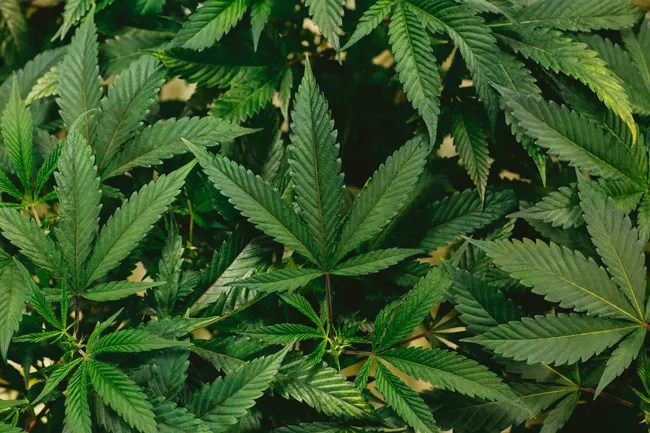
CBN and cannabidiol (CBD) are both extracted from the cannabis plant and have been marketed as treatments for everything from epilepsy to anxiety to chronic pain and sleeplessness. While CBD is abundant in hemp, CBN exists in much smaller amounts within the plant. Because of this, CBN is often synthesized from CBD, as CBN exists only when the cannabis plant is close to death, and therefore it is inefficient to extract CBN and waste an entire cannabis plant.
Another synthetic cannabinoid, delta 8, also exists in tiny amounts within a cannabis plant, and so it, too, is synthesized from CBD to bump its potency in the end product. Unlike CBN, delta 8 can be intoxicating, though much less so than delta 9 THC. The process of converting parts of the cannabis plant to delta 8, however, is what concerns regulators.
“We don’t have any testing for any of the whole universe of chemical reagents that you could use to synthetically turn one cannabinoid into something else,” Steven Crowley, the hemp and processing compliance specialist with the OLCC, told The Oregonian.
For industry pros like Neubauer, this move seems to be a step not far removed from cannabis panic.
“There’s a lot of press around the illegal grows and human trafficking,” Neubauer said. “A lot of people weren’t abiding by the regulatory framework of the (Oregon Department of Agriculture). Once an agency outlaws something without looking into the science or facts, you’re entering into dangerous territory. It’s a little bit of a knee-jerk reaction.”
To Neubauer, the OLCC’s mission should be simplified. If it’s intoxicating, the OLCC should regulate it. If not, they shouldn’t.
“Delta 8 is intoxicating; it should be regulated by the OLCC,” he said. “CBN is really the victim here. There’s not a lot of delta 8 products on the market.”
Starting July 2023, the OLCC will further restrict the sale of synthetically derived cannabinoids to those that have received the “Generally Recognized As Safe” label from the FDA, or meet alternate standards for new dietary ingredients. While these standards are set by the FDA, it is possible for manufacturers to meet them without direct involvement from the FDA, and they do not require the gold standard of “FDA approval.”
“CBN is like Ambien. You take a gummy and get the same effect, and feel great in the morning. It’s unfortunate we’re going to lose that.” —Hunter Neubauer, Oregrown co-founder
Though with a decades-old federal ban on the sale of any cannabinoids, it is hard to imagine the FDA looking kindly on CBN, delta 8, or any other cannabinoid product. And even if they do, many prior CBN customers may hesitate to abandon their grocery store for a marijuana dispensary experience.
The OLCC’s move is yet another hit to a cannabis industry that is flagging, and struggling to find ways to move product.
“I’m getting calls every week from guys who are shutting down the shop and not growing,” Neubauer said. “It’s the worst it’s been since legalization.”
The OLCC itself seems to recognize that desperation on the part of hemp/cannabis farmers and processors to offload their product has led us here.
“The supply of CBD was outstripping the demand for CBD,” Crowley said. “People who had CBD on hand were looking for other ways that they could market it.”
It is hard to blame cannabis business owners – who often sink millions into their investments before they yield a penny in profit – for getting creative. When you trim profit margins of an already over-regulated product, you could further entrench an unregulated market that has already made countless headlines for its abuses.
Not everyone is getting poorer as a result of the squeeze on the cannabis industry, however. Last December, the legislature awarded $25 million to low enforcement to attack illegal grows.
“They know we’re going to get some,” said Jackson County Sheriff Nathan Sickler said last December, referring to seizing illegal grows. “But they know we can’t get it all.”
If the war on drugs is a failure – as most Americans deem it to be – it’s hard to imagine how a war on synthetic cannabinoids will be different.
Note: This article has been updated to reflect the fact that CBN is synthesized from CBD rather than extracted, and to clarify new requirements starting July 1, 2023.
This article appears in Source Weekly June 30, 2022.
MAKE LOCAL JOURNALISM HAPPEN


