I’ve been a bread baker off and on my whole life. As a kid I loved to bake banana bread and I learned how to make biscuits and cornbread by my granny’s side in the kitchen. Of course she never measured anything exactly so it took years of practice for my biscuits to come anywhere close to hers.
By the time I was in my early twenties, I had a honey whole wheat sandwich loaf in my own repertoire. That yeast dough, along with a sweet cinnamon roll dough, were my go-tos for years. Then for some reason, I took a bread break. Every once in a while I might get the urge to knead some dough or bake a batch of cinnamon rolls but there were long stretches of store-bought loaves.
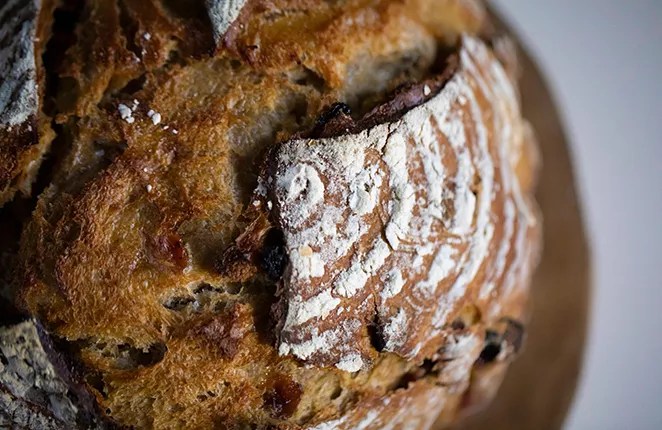
During the pandemic years, when so many folks were getting into sourdough breadmaking and other hands-on projects to fill their sequestered time, I stumbled upon a couple of bread recipes myself. But these recipes were different. They weren’t quick breads but they also didn’t require any kneading of the dough. Not that I mind kneading; I find it rather meditative once I get in the groove. But for some reason, at the time, I wanted to see if I could made a yeast dough that required nothing but patience.
These two no-knead bread versions are a great entry into breadmaking if you’ve never made bread before and even if you’re an old pro, they’re fun recipes. I would also say they’re perfect recipes for introducing the kiddos to the making of bread. Just be careful with the hot Dutch oven portion.
A couple of things to keep in mind – dough develops flavor during extended fermentation (which is what is happening when you leave it overnight to rise). The downside is that uncontrolled fermentation may cause impacts to the crumb structure; and if you’re not careful about how much flour you add, you can end up with a very dense loaf, which is still good but maybe a little tougher than you prefer.
It’s very important to use a thermometer to make sure your warm water is indeed between 105-110 degrees. If it’s cooler than that, the water won’t be warm enough to activate your yeast; if it’s hotter than that, it can actually kill your yeast. In either case, your dough will not rise.
If you decide to try one or both of these bread recipes, just keep an open mind and have a good time touching the ingredients and seeing what happens. Try to think of it as a playful experiment, one that you get to eat when it’s all done and those, in my opinion, are the best kind!
No Knead Bread #1
Makes 1 loaf
- 3 ¼ cups all-purpose flour
- 2 teaspoons fine sea salt
- ½ teaspoon yeast
- 1 ½ cups warm water (105-110 degrees)
Whisk dry ingredients together in large bowl. Add warm water and stir until there are no streaks. Let the dough rise in the bowl on the counter, covered with plastic wrap for 12-18 hours.
Flour a flat surface. Form dough into a ball working in a bit more flour if need be. Then turn the ball of dough onto a piece of parchment paper, rounded side up – lightly flour the top of the dough ball and cover loosely. Let dough rest while heating oven to 450.
Put a Dutch oven (with the lid on) into a hot 450 degree oven for 30 minutes. Carefully remove the hot Dutch oven from the oven while leaving the oven temp at 450. Place the dough ball onto a piece of parchment inside the Dutch oven. Cover and bake for 30 minutes. Remove lid and bake for another 10-20 minutes until browned to your liking.
Cool bread for 30 minutes on wire rack before cutting.
No-Knead Cinnamon Raisin Bread
Makes 1 loaf
- 3 cups all-purpose flour
- ½ teaspoon yeast
- 1 ½ teaspoons salt
- 1 tablespoon ground cinnamon
- ½ teaspoon ginger
- ¼ teaspoon ground cloves
- 3 tablespoons brown sugar
- ½ cup walnuts, optional
- 1 cup raisins
- 1 ½ cups room temperature water (more if needed in 1 tablespoon increments)
- Olive oil, for oiling bowl
Whisk together the flour, yeast, salt, spices and brown sugar. Then add the walnuts and raisins. Stir to combine. Slowly add the water and stir with a wooden spoon until a dough forms. If the dough looks too dry add more water in 1 tablespoon increments. If the dough is too wet add more flour in 1 tablespoon increments.
Transfer dough into a clean bowl that has been greased with olive oil. Cover with plastic wrap and let rise overnight on counter.
The following day, punch down dough and with “floured hands” form dough into a ball. Place on parchment paper dusted with flour, cover with plastic wrap and allow to rise for 30 minutes to 1 ½ hours.
Place a Dutch oven in the oven and preheat oven to 500F. Once the oven is preheated and the Dutch oven is quite hot, remove the Dutch oven and place the dough on the parchment inside the Dutch oven. Cover and bake for 25-30 minutes. Remove the lid for the last 5-10 minutes if you want to get the bread a little browner on top.
Cool bread on a rack for 1 hour before slicing and serving. Bread also freezes well if sliced and placed in a plastic freezer bag.
Related Stories

Cinnamon Banana Muffins
This article appears in Source Weekly September 21, 2023.
MAKE LOCAL JOURNALISM HAPPEN